How Comprehensive Painting Sealing Stops Moisture Penetration
Moisture is one of the most persistent threats to buildings in the Blue Mountains. Cool, damp winters, heavy mist, sudden storms, and high rainfall in elevated areas such as Katoomba, Leura, Springwood, and Blackheath all put constant pressure on exterior surfaces. Comprehensive painting sealing is a systematic approach to protecting a property from water ingress. It goes well beyond applying a coat of paint. This article explains how a complete sealing system works, why it matters in the Blue Mountains climate, and how it fits with roofing, gutters, brickwork, and ventilation.
Why Moisture Penetration Is a Serious Problem in the Blue Mountains
Water finds its way into buildings through hairline cracks, porous masonry, failed sealants, worn paint films, and poorly drained roof edges. Once inside a wall cavity, timber frame, or brick face, moisture causes damage that spreads quietly over time.
The Blue Mountains region faces particular challenges:
- High annual rainfall and humidity keep surfaces damp for long periods, which encourages mould, lichen, and moss.
- Temperature swings between warm days and cold nights make building materials expand and contract, opening small cracks.
- Frost and freeze-thaw cycles at higher altitudes allow trapped water to expand and break apart masonry and paint films.
- Tree cover and leaf litter clog gutters and hold moisture against walls and roof lines.
- Strong winds and storms drive rain sideways into joints, window frames, and eaves.
Left unaddressed, these conditions lead to peeling paint, blistering, damp patches, rotting timber, efflorescence on brick, and in severe cases structural deterioration.
What Comprehensive Painting Sealing Actually Involves
A comprehensive painting sealing job treats the building envelope as one connected system. Instead of painting over problems, the process identifies and corrects the entry points for moisture first, then applies protective coatings designed to keep water out while letting trapped vapour escape.
Step 1: Thorough Surface Assessment
Every effective sealing project starts with inspection. This includes checking for cracked render, failed caulking, open mortar joints, rusted fixings, softened timber, and areas where water pools or runs down walls. Moisture meters can be used to find hidden dampness before any coating is applied.
Step 2: Surface Preparation
Preparation is where most of the long-term performance comes from. Proper preparation typically includes pressure cleaning to remove dirt, mould, and loose paint, treating biological growth with a fungicidal wash, scraping and sanding failing coatings, and allowing surfaces to dry fully before work continues. Painting over damp or contaminated surfaces is a common cause of early coating failure.
Step 3: Repairs Before Coating
Cracks, gaps, and damaged substrates must be repaired before sealing. Flexible sealants are used around windows, doors, and joints that move, while rigid fillers are used for stable cracks. Rotted timber is cut out and replaced or repaired with suitable timber fillers, and exposed metal is treated for rust.
Step 4: Primers, Sealers, and Topcoats
The coating system is chosen to suit the surface. Masonry sealers penetrate porous brick and render, while stain-blocking and adhesion primers prepare timber and previously painted surfaces. High-quality acrylic topcoats then form a flexible, water-resistant film. Advanced painting techniques such as back-rolling, multi-coat build-up, and edge sealing help ensure complete coverage with no thin spots where water can enter.
How Sealing Works to Block Water
Quality sealing systems stop moisture in several ways at once:
- Surface barrier: A continuous, flexible paint film sheds rainwater and prevents it from soaking into the substrate.
- Pore blocking: Penetrating sealers fill the tiny capillaries in brick, concrete, and render that would otherwise draw water inward.
- Joint and crack sealing: Elastomeric sealants accommodate building movement, keeping gaps closed through temperature changes.
- Vapour permeability: Breathable coatings allow moisture already inside the wall to evaporate rather than become trapped behind the paint, which prevents blistering.
- Biological resistance: Mould-resistant additives and treatments reduce the growth of organisms that hold moisture against the surface.
Sealing Brickwork and Masonry
Brick is durable, but it is not waterproof. Its porous structure absorbs water, and aging mortar joints are often the weakest point in a wall. Many Blue Mountains homes, including heritage properties, feature brick or stone elements that need regular care.
Services that support effective brick wall weatherproofing include:
- Brick repointing services to remove deteriorated mortar and replace it with a compatible mix.
- Brick mortar replacement and restoration where joints have crumbled or eroded.
- Brick joint repair and expansion joint repair to allow for movement without letting water in.
- Brick facade repair for spalled, cracked, or flaking faces.
- Brick erosion control through breathable sealers that reduce water absorption.
Addressing these issues supports brick durability enhancement and protects brick structural integrity. In more serious cases, brick structural repair or brick wall reconstruction may be needed before sealing can be effective. Ongoing brick wall maintenance, including periodic inspection and cleaning, helps catch small problems early. Sealed and well-maintained brick can also contribute to brick thermal insulation performance by staying dry, since wet masonry conducts heat more readily than dry masonry.
Choosing Breathable Masonry Sealers
Brick should generally be treated with a breathable, penetrating sealer rather than a heavy film-forming coating. Non-breathable products can trap moisture, leading to spalling and efflorescence. A professional can recommend a product suited to the age and type of brick, particularly for older, softer bricks and lime-based mortars.
The Roof and Gutter Connection
Painted walls and sealed brick cannot stay dry if water is being directed at them from above. Roofing and drainage are central to moisture control, which is why a comprehensive sealing solutions approach considers the whole building.
Roofing
Damaged roofing allows water to enter ceilings, wall tops, and eaves, where it soaks paintwork from the inside. Common issues include cracked or lifted asphalt shingles, split cedar shakes, failed flashings, and worn ridge capping. Depending on the condition of the roof, solutions may range from advanced roof repair and comprehensive roof repair through to asphalt shingle replacement, cedar shake replacement, or comprehensive roof replacement. Where a roof has reached the end of its life, complete roofing replacement or comprehensive roof reroofing by certified professionals offers a lasting fix. Regular comprehensive roof maintenance reduces the chance of unexpected leaks.
Commercial buildings have their own demands. Large flat or low-pitched roofs, parapets, and plant penetrations need specialised attention, and commercial roof repair, commercial roofing, and commercial roof solutions are designed to address these. Likewise, commercial painting sealing protects larger façades, car parks, and shared structures with coatings rated for heavier exposure.
Gutters and Drainage
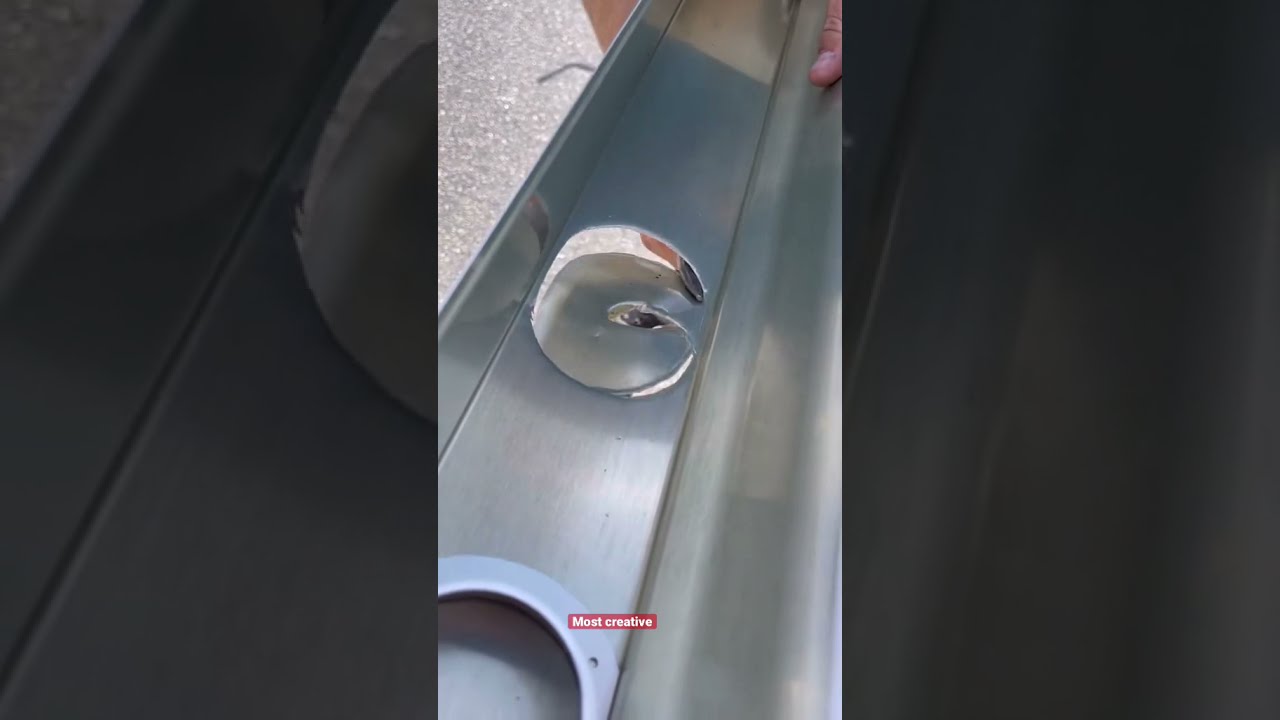
Gutters carry water away from walls and foundations. When they overflow, leak, or sag, water runs down painted surfaces and soaks into brick and timber. Typical problems include blocked outlets, rusted joins, loose brackets, and incorrect falls. Appropriate responses include damaged gutter repair, aluminum gutter repair, and copper gutter maintenance for premium or heritage systems. For properties with recurring overflow or runoff problems, advanced gutter solutions and comprehensive gutter services can include re-fitting, upgraded downpipes, and leaf protection. Commercial gutter services handle larger roof catchments and higher flow volumes, while comprehensive drainage solutions ensure water is carried safely away from the building and discharged properly.
Ventilation: Controlling Moisture From the Inside
Not all moisture comes from outside. Warm, humid air from showers, cooking, and daily living rises into roof spaces, where it can condense on cold surfaces. In the Blue Mountains, where nights are cool, this condensation can wet insulation, stain ceilings, and damage paint from behind.
Good roof space ventilation helps by allowing humid air to escape and fresh air to circulate. Options include:
- Attic ventilation installation using ridge vents, eave vents, or powered extraction suited to the roof design.
- Attic ventilation repair where existing vents are blocked, damaged, or poorly positioned.
- Customized roof ventilation that balances intake and exhaust for the specific roof shape and size.
- Comprehensive roof venting and advanced ventilation techniques for complex or heritage roofs.
Better airflow also supports attic heat reduction and attic cooling methods during warmer months, helping to protect roofing materials and reduce energy use. In winter, the same ventilation reduces condensation risk, which protects ceilings and interior paintwork.
Walls and Structural Repairs
Where moisture has already caused damage, comprehensive wall repair may be necessary before any sealing is applied. This can include replacing damaged plasterboard or render, treating rising damp pathways, re-fixing loose cladding, and restoring flashings and weep holes. Sealing over unresolved damage only hides the problem for a short time, so repairs and coatings should always be carried out in the correct order.
Benefits of a Complete Approach
A complete painting sealing strategy delivers several practical benefits:
- Longer-lasting paint finishes with less peeling, blistering, and staining.
- Reduced risk of mould, rot, and structural damage.
- Improved energy efficiency, since dry walls and roofs insulate better.
- Protection of property value and curb appeal.
- Lower long-term maintenance costs compared with repeated patch repairs.
Maintenance Tips for Blue Mountains Property Owners
Even the best sealing system performs better with regular attention. Consider the following habits in 2026 and https://jasperyzrn432.urbanvellum.com/posts/comprehensive-roof-maintenance-your-annual-checklist beyond:
- Clear gutters and downpipes at least twice a year, and more often if you have overhanging trees.
- Inspect paint, sealant lines, and brick joints annually, ideally after winter.
- Look for early signs such as hairline cracks, chalking paint, damp patches, or green growth.
- Trim vegetation away from walls and roof edges to improve airflow and drying.
- Book professional roof and ventilation checks every few years, particularly after severe storms.
When to Call a Professional
Minor touch-ups can be handled by confident DIYers, but moisture problems are often more complex than they appear. A professional can trace the real source of water entry, recommend suitable materials, and coordinate painting, roofing, gutter, and masonry work so each element supports the others. For roofing and structural elements, choosing certified roof repair and certified roof reroofing providers helps ensure work meets current standards. Plan ahead for 2027 and beyond by scheduling inspections and maintenance before small defects turn into major repairs.
Conclusion
Comprehensive painting sealing stops moisture penetration by combining careful inspection, correct surface preparation, targeted repairs, and the right protective coatings. When paired with sound roofing, well-maintained gutters, restored brickwork, and effective ventilation, it creates a building envelope that stands up to the demanding Blue Mountains climate. Taking a whole-of-property approach protects your investment, keeps interiors dry and healthy, and extends the life of every surface that matters.
Top Roofer Blue Mountains
Old Bathurst Rd, Blaxland NSW 2774, Australia
(02) 4703 9006